

Recovery Café Camden
- Need: To connect people with substance use, trauma, and other challenges to community and services in rural New York.
- Intervention: The Recovery Café Camden offers shared meals, small-group discussions, hobby building, and connection to resources.
- Results: Between January 13, 2025, and November 18, 2025, the Café recorded 370 participant engagements across Recovery Circles and 128 across School of Recovery classes.
Description
The Recovery Café Camden, located in rural Camden, New York, is part of the national Recovery Café Network: a movement of member-driven, trauma-informed recovery communities. The Café provides a welcoming, non-clinical space where individuals can heal from substance use, trauma, mental health challenges, grief, or other life difficulties through connection, community, and shared meals.
To better understand local needs, the Camden Life Center, a rural service hub offering behavioral health, case management, and community programs, partnered with Syracuse University and the University of Kentucky to complete an initial community needs assessment and program evaluation. This research continues today with a focus on rural mental health, substance use, food insecurity, and loneliness.
Findings from the needs assessment ultimately led to the decision to join the Recovery Café Network. With support from the Mother Cabrini Health Foundation, the Camden Life Center launched Recovery Café Camden in 2025 as part of a larger initiative that also includes a teaching kitchen and youth center.
Services offered
The Recovery Café Camden offers shared meals, small-group discussions, and connections to resources in a peer-supported environment. Its core gatherings, known as Recovery Circles, take place on Monday mornings and Thursday evenings, providing structured opportunities for reflection, goal setting, and mutual encouragement.

Throughout the week, participants can engage in additional programming through the Café's "School of Recovery," which offers activities designed to build skills, hobbies, and social connections. Examples include Crafts and Conversations, cooking and nutrition classes, educational workshops, yoga and mindfulness sessions, and community events.
The Camden Life Center offers onsite mental health counseling; case management; recovery peer support; local court coordination; and access to basic needs assistance, including food, housing, and benefits navigation.
Results
Between January 13, 2025, and November 18, 2025, the Café recorded 370 participant engagements across Recovery Circles and 128 across School of Recovery classes. Because most members return regularly, which is a core element of the Recovery Café model, these numbers reflect total attendances rather than unique individuals.
The Café hosted 88 Recovery Circles (two per week) and 68 School of Recovery classes across eight topics.
Participant feedback highlights the early impact of the Café:
- "When I came to the Camden Life Center, I was down and out, just lost my husband. I had no friends, and now I'm helping lead the Monday Recovery Café. Recovery Café is a big part of my life. You don't have to be recovering from alcohol or drugs. You could be recovering from anything—like the loss of a husband or a divorce."
- "The biggest thing I was struggling with was loneliness. It was so hard to find someone safe to talk to and build friendships. Recovery Café Camden has created a tribe of trusted friends, and I'm so thankful for their support as I deal with the challenges of each day."
Challenges
The term "recovery" is often associated solely with substance use disorder, leading to hesitation among community members who do not identify with that experience. The Camden Life Center team provides community education, helping residents understand an expanded definition of recovery that includes healing from substance or mental health challenges, grief and loss, life transitions, caregiving stress, loneliness, or traumatic experiences. This broader understanding has helped reduce stigma and normalize help-seeking.
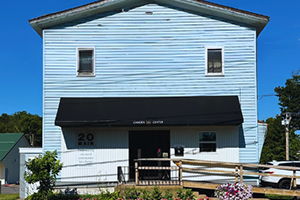
The community has no designated sober or community meeting spaces, so the Recovery Café currently operates out of the conference room at the Camden Life Center. While this arrangement provides accessibility and continuity, it limits flexibility, as Recovery Circles and School of Recovery events must be scheduled around other organizational activities. The limited space also reduces opportunities for organic gathering and spontaneous connection, which are important elements of the Café model.
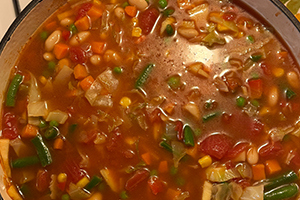
Meal service has presented logistical challenges. In an area with few local restaurants or catering partners, providing nutritious meals for Café gatherings has relied heavily on Camden Life Center staff, who prepare healthy, low-cost options within a limited food budget.
Replication
In areas with smaller populations, it can be challenging to sustain multiple separate groups for different needs, such as substance use recovery, grief support, or mental health. The Recovery Café's unified model increases participation, reduces duplication, and fosters a stronger sense of belonging within the community.
Grounding the Café in trauma-informed principles and maintaining a nonjudgmental, welcoming environment are key to success. In rural communities where privacy concerns and stigma can discourage engagement, creating a safe space rooted in compassion and respect helps people feel comfortable seeking connection and support.
Recovery Café Camden began by using shared space within the Camden Life Center and leveraging existing partnerships with local organizations and universities.
While remaining consistent with the Recovery Café Network's guidelines, rural communities should consider selecting a name that resonates locally and reflects community values so that the Café is received more positively.
Contact Information
Jessica Perusse, DirectorCamden Life Center
315.820.2638
jperusse@camdenlifecenter.com
Topics
Behavioral health
· Social connectedness
· Stigma
· Substance use and misuse
States served
New York
Date added
March 2, 2026
Suggested citation: Rural Health Information Hub, 2026. Recovery Café Camden [online]. Rural Health Information Hub. Available at: https://www.ruralhealthinfo.org/project-examples/1158 [Accessed 11 October 2026]
Please contact the models and innovations contact directly for the most complete and current information about this program. Summaries of models and innovations are provided by RHIhub for your convenience. The programs described are not endorsed by RHIhub or by the Federal Office of Rural Health Policy. Each rural community should consider whether a particular project or approach is a good match for their community’s needs and capacity. While it is sometimes possible to adapt program components to match your resources, keep in mind that changes to the program design may impact results.