June 28, 2023
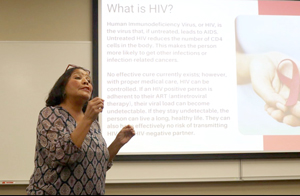
New HIV infections are on the decline in the U.S. — but in some rural areas, lingering stigma and misunderstanding still stand as barriers to the prevention and treatment of the virus.
June 7, 2023
While rural healthcare faces many challenges, it also possesses strengths and potential, such as its leadership. The NRHA's Rural Health CEO Certification Program and Rural Health Fellows works to strengthen current leaders' skills, while the University of Iowa's and the University of South Carolina's Master of Health Administration programs, NRHA's Student Constituency Group, and the Oregon Rural Practice-based Research Network help shape future leaders.
May 24, 2023
Pivoting from a universal question, "How'd you sleep?" clinical sleep experts, a federal public health agency representative, and Nebraska Extension discussed sleep's impact on rural health and public safety.
May 10, 2023
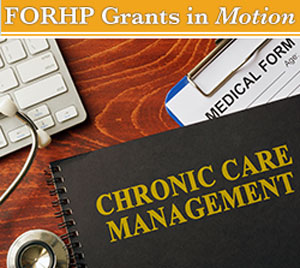
Montana Health Network's Regional Care Coordination program uses registered nurses to check in with adult patients with chronic conditions and connect them with any needed referrals or community resources. The program serves 8 counties in eastern Montana.
March 22, 2023
Since 1974, the Physician Shortage Area Program has recruited and supported medical students from rural backgrounds who want to practice in rural communities.
February 22, 2023
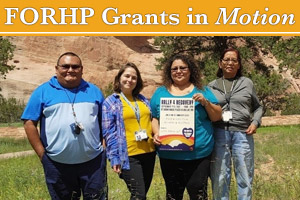
A community consortium in McKinley County brings together a range of local organizations and entities to take a holistic approach to recovery.
January 11, 2023
Oklahoma State University's College of Osteopathic Medicine at the Cherokee Nation prepares future doctors to work in rural and tribal settings where healthcare workers are in short supply.
November 30, 2022
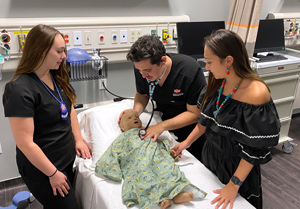
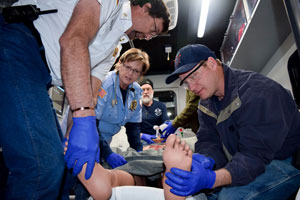
Rural EMS providers have fewer chances to practice their skills on the job, but simulation tools can help small agencies prepare for high-stress calls.
November 16, 2022
Palliative care, designed to treat the symptoms of a serious illness at any stage of diagnosis, is associated with better outcomes like higher patient satisfaction. Despite these benefits, many people in rural communities cannot access these services or don't know what palliative care is. The South Dakota Palliative Care Network is working to increase knowledge of palliative care among rural healthcare professionals, nursing students, and community members.
October 26, 2022
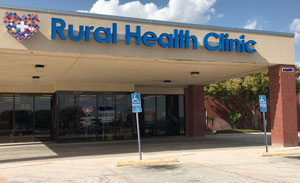
After a 1965 public law created the Medicare and Medicaid programs, many rural residents insured by these government health programs were unable to access care. This challenge was remedied by another public law: the Rural Health Clinic Services Act of 1977. Using a historical framework, rural health policy experts, researchers, and clinicians reviewed the Act's impact on outpatient healthcare delivery in rural America.