March 21, 2018
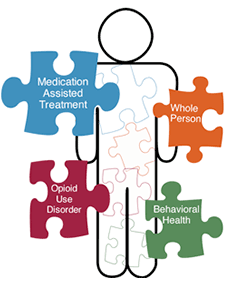
An important aspect of the opioid crisis is opioid use disorder. This in-depth story focuses on the science behind the disorder and the use of an evidence-based treatment: MAT, or medication-assisted treatment.
March 21, 2018
MAT, or medication-assisted treatment, is understood as a whole-patient treatment for opioid use disorder, considered a chronic disease. Four MAT medications work differently and help each patient's unique needs.
March 21, 2018
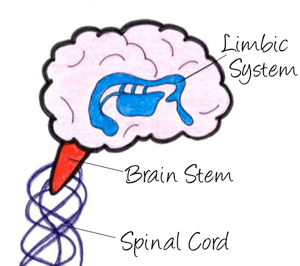
Understanding the opioid problem begins with understanding the science behind pain and how opioids relieve pain. It's also important to understand individuals who might be more at risk of developing opioid use disorder.
March 7, 2018
How do you attract dental students into practice in rural areas? With 70% of RIDE graduates practicing in those targeted areas, University of Washington School of Dentistry's RIDE faculty, a preceptor, graduate, and current student share how it's done and why it works.
February 21, 2018
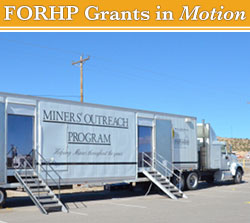
Miners in rural New Mexico may forego care when they have to drive a long distance to see a primary care provider or specialist. The New Mexico Mobile Screening Program for Miners travels to 12 locations in the state to bring needed care to patients.
February 7, 2018
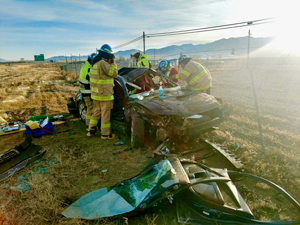
Limited funding, expanding coverage areas, and a cultural shift in volunteerism across generations has motivated EMS leaders to find new recruitment methods that attract more personnel and keep them as long as possible.
January 24, 2018
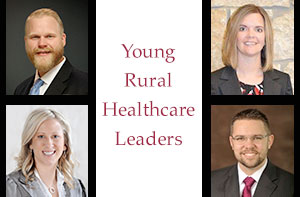
In addition to providing advice for those with potential interest in rural healthcare executive positions, four Critical Access Hospitals leaders – all under age 40 – share stories of innovation and impact on their organizations and communities.
January 24, 2018
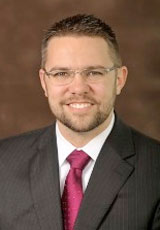
Benjamin Anderson, CEO of a 25-bed CAH in Kansas, discloses his relational style of healthcare leadership and his success attracting committed medical providers and engaging the area's growing refugee population.
January 24, 2018
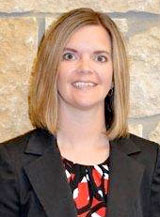
Melissa Kelly, CEO and CFO of a 21-bed CAH in Nebraska, discusses adding child care and restoring retail pharmacy to her community and encourages others to take advantage of rural healthcare resources.
January 24, 2018
Stephanie Orr, the CNO of an 18-bed CAH in Idaho, shares what it's like to become a leader much sooner than planned and emphasizes the importance of working the front lines.