July 1, 2026
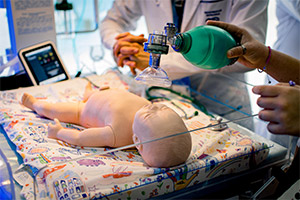
Pediatric readiness — the ability to provide quality emergency care for pediatric patients — can mean the difference between life and death for a child. Rural providers in Texas and Wyoming are improving their pediatric readiness through nationally available resources, while Georgia is bringing the training to its providers.
January 10, 2024
Rural health expert Tim Putnam, DHA, shares leadership perspectives and ideas gained from his roles as a rural hospital CEO, a member of a White House task force, and now in his academic healthcare policy position.
November 30, 2022
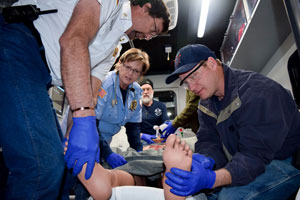
Rural EMS providers have fewer chances to practice their skills on the job, but simulation tools can help small agencies prepare for high-stress calls.
August 17, 2022
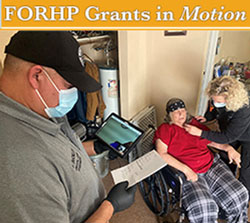
A partnership between a Federally Qualified Health Center and the local ambulance district in Washington County, Missouri lets chronically ill patients access preventive care from the comfort of home.
January 27, 2021
Barbara Leonard and Ruta Kadonoff of the Maine Health Access Foundation (MeHAF) discuss how their foundation provided unrestricted COVID-19 grants and open competitive grants and partnered with other philanthropies pooling together COVID-19 response funds.
August 7, 2019
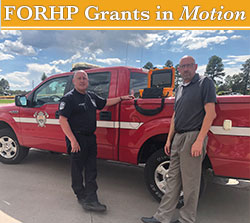
To address rising ER readmissions, an Arizona healthcare system and network partners adapted an unconventional EMS telehealth service to help rural patients. Coupled with care coordination, mobile telehealth units are saving the healthcare system money while better meeting patients' healthcare needs.
April 3, 2019
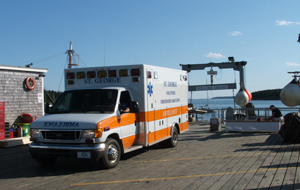
In rural America, many community members do not understand the skill level, training, and availability of the people who answer their 911 calls. The Informed Self-Determination Process helped the community of St. George, Maine learn about their EMS system and created consensus about what EMS would look like in their town.
October 3, 2018
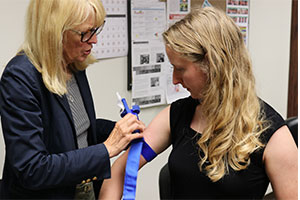
On average, rural residents wait twice as long for emergency medical services than urban residents. Stop the Bleed is a trauma training initiative that teaches laypeople how to pack wounds and apply tourniquets in order to improve survival rates until medical attention arrives.
February 7, 2018
Limited funding, expanding coverage areas, and a cultural shift in volunteerism across generations has motivated EMS leaders to find new recruitment methods that attract more personnel and keep them as long as possible.